

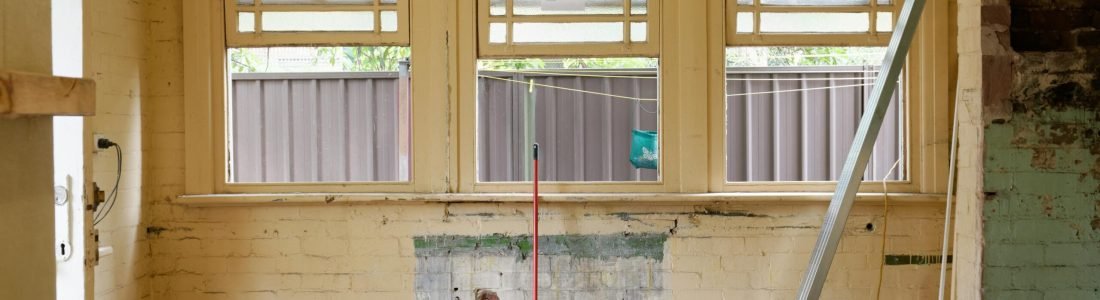
Renovating a rental property in Germany can involve high costs, particularly after purchasing older apartments or houses that require modernization. Heating systems, bathrooms, insulation, flooring, and structural repairs can quickly become major financial investments. In this article, you will find tips on how to deduct renovation costs for rental properties in Germany.
For landlords and expats investing in German real estate, understanding how these renovation expenses are treated for tax purposes is extremely important. Depending on how the costs are classified, they may either be deducted immediately or depreciated over many years.
This distinction can have a substantial impact on cash flow, taxable income, and long-term investment returns.
This guide explains how renovation costs for rental properties in Germany are typically treated, when immediate deductions may apply, and what investors should consider before starting major renovation projects.
When Renovation Costs Can Be Fully Deducted
In Germany, renovation and modernization costs may often qualify as:
Maintenance expenses (Erhaltungsaufwand)
When costs are classified this way, they can generally be deducted from taxable rental income.
Examples may include:
- Replacing heating systems
- Bathroom modernization
- Window replacement
- Painting and cosmetic repairs
- Roof repairs
- Facade maintenance
- Plumbing repairs
Both small repairs and larger renovation measures may qualify, provided they primarily maintain or restore the property rather than significantly improve it.
For investors with high taxable income, these deductions can create substantial short-term tax relief.
You can also explore our guide to real estate investment strategies in Germany.
Maintenance Expenses vs. Improvement Expenses
One of the most important distinctions in German real estate taxation is the difference between:
- Maintenance expenses (Erhaltungsaufwand)
- Improvement expenses (Herstellungsaufwand)
This classification determines whether costs can be deducted immediately or only over time through depreciation.
Maintenance Expenses
Maintenance expenses generally include costs related to restoring or renewing existing components of the property.
Examples include:
- Replacing old windows with modern equivalents
- Repairing existing structures
- Modernizing outdated installations
- Restoring damaged areas
These costs are often deductible more quickly.
Improvement Expenses
Improvement expenses apply when renovations significantly increase:
- Property value
- Living space
- Functional quality beyond the original standard
Examples may include:
- Adding new living areas
- Structural expansions
- Major property upgrades
- Significant redesign projects
These expenses are typically capitalized and depreciated over several years.
Two Possible Deduction Approaches
For qualifying maintenance expenses, landlords often have two options:
1. Immediate Full Deduction
The entire renovation cost is deducted in the year the payment occurs.
This approach may be advantageous for investors with:
- High annual income
- Strong rental profits
- Elevated tax burdens in the current year
Reducing taxable rental income immediately can improve overall tax efficiency substantially.
2. Spread the Costs Over Multiple Years
Alternatively, renovation costs may sometimes be distributed evenly over two to five years.
This can make sense when:
- Current taxable income is relatively low
- Future income is expected to increase
- Investors want more stable tax optimization over time
The best approach depends heavily on the investor’s broader financial and tax situation.
You can also explore our broader approach to financial planning for expats in Germany.
The Important 15% Rule After Property Purchase
One of the most important rules for investors concerns renovation costs shortly after purchasing a property.
If renovation expenses exceed 15% of the building purchase price within the first three years after acquisition, German tax law may classify these costs as acquisition-related expenses.
In practice, this means:
- The costs cannot be deducted immediately
- They must instead be added to the property value
- Deduction occurs gradually through depreciation over many years
Current depreciation structures generally allow:
- 2% annual depreciation for older buildings
- 3% annual depreciation for certain newer buildings completed after January 1, 2023
For expats purchasing older properties requiring renovation, this rule is especially important during acquisition planning.
Renovations and Long-Term Investment Strategy
Renovation planning should not be viewed only as a tax issue.
Strategic renovations may also:
- Increase rental attractiveness
- Improve energy efficiency
- Raise long-term property value
- Support future resale positioning
- Reduce maintenance risks later
In competitive German rental markets, modernization quality often plays an important role in long-term tenant stability and investment performance.
Compensation for Construction Defects
If renovations become necessary because of undisclosed construction defects or hidden damage, investors may, under certain circumstances, pursue compensation claims against previous owners or responsible parties.
Potential compensation amounts may partially offset renovation expenses and influence the final tax treatment.
Because these situations can become legally complex, professional tax and legal advice is strongly recommended.
Important Difference for Owner-Occupied Properties
Tax treatment differs significantly between rental and owner-occupied properties.
For rental properties, many renovation costs may qualify as deductible investment-related expenses.
For private homeowners and tenants, however, deductible options are typically much more limited and subject to stricter conditions.
This distinction is one reason why rental properties can offer additional long-term tax optimization opportunities within broader wealth-building strategies.
What Expats Often Overlook About Property Renovations in Germany
Many expats underestimate how closely renovation planning, financing, and tax optimization are connected in Germany.
Important considerations often include:
- Timing of renovations after purchase
- Documentation and invoices
- Long-term depreciation impact
- Financing structure
- Energy-efficiency regulations
- Tax treatment differences between upgrades and maintenance
Coordinating these elements strategically can significantly improve long-term investment performance.
Conclusion
Renovation costs for rental properties in Germany can create valuable tax advantages when structured correctly.
Understanding the difference between maintenance expenses and improvement expenses is essential, as it directly affects whether costs can be deducted immediately or depreciated over time.
For expats and investors building long-term real estate portfolios in Germany, careful renovation planning is not only important for property quality but also for overall tax efficiency and financial performance.
Because German real estate taxation can become highly technical, professional guidance is often valuable before starting major renovation projects.
Need Help Structuring Your Real Estate or Tax Strategy?
If you want support understanding property financing, tax optimization or long-term investment planning in Germany, explore our trusted partners or book a free consultation for tailored guidance.